
If your AC is running but only pushing out warm air, you are not imagining things, and you are definitely not alone. It is one of the most common calls we get at One Stop Heating and Air Conditioning, especially when Utah summers hit full force.
The frustrating part? The system sounds like it is working. The fan is spinning. The unit is humming. But the air coming through your vents is anything but cool.
Before you assume the worst, here is what is actually going on, and what you should do about it.
What Causes an AC to Blow Warm Air? (Quick Answer)
The five most common causes are:
- Refrigerant issues (leaks or low levels)
- Thermostat miscommunication
- Compressor problems
- Restricted airflow
- Electrical faults
Each one has its own symptoms, and some are more urgent than others. Let’s break them down.
Cause 1: Your System Has a Refrigerant Problem
This is the most common reason, and it is one you should not sit on.
According to ASHRAE’s 2023 standards, refrigerant leaks are responsible for 35% of warm air complaints in residential AC systems. Refrigerant is what actually absorbs heat from inside your home. When levels drop, the system simply cannot do its job.
Signs to watch for:
- A hissing or bubbling sound near the unit
- Ice forming on the refrigerant lines or coils
- Air that feels slightly cool but never actually gets cold
- Higher-than-normal energy bills with no clear reason
Here is something worth knowing: the EPA began phasing out R-410A refrigerants in new systems starting in 2025, under the AIM Act. If your system is older and uses R-410A, a refrigerant leak could be more complicated to address than it used to be. Non-compliant repairs could even affect your warranty. The EPA’s guidelines make it clear that only EPA-certified technicians are legally permitted to handle refrigerants.
This is not a fix-it-yourself situation. If you notice any of the signs above, the best move is to get a professional out quickly before the problem gets worse.
If you are unsure what kind of service your system needs, our team of HVAC contractors in Provo, UT at One Stop Heating and Air Conditioning can walk you through your options with no pressure.
Cause 2: The Thermostat Is Not Communicating Correctly
This one surprises a lot of homeowners.
Consumer Reports’ 2024 analysis found that faulty thermostat wiring or incorrect settings are responsible for roughly 20% of AC malfunctions, including warm air output. If the thermostat sends the wrong signal, the system responds accordingly, and warm air is one of the results.
Easy checks you can do yourself:
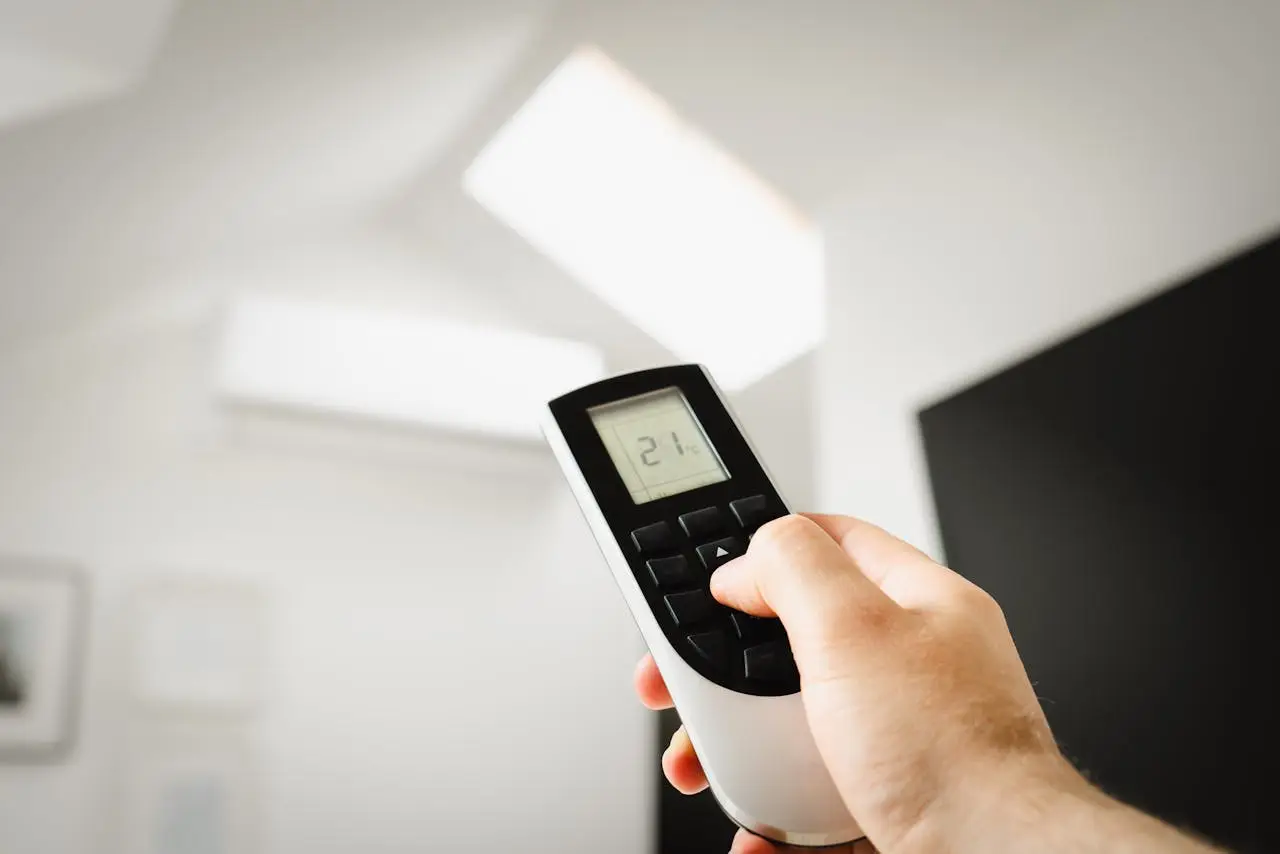
- Make sure the thermostat is set to COOL, not HEAT or FAN ONLY
- Check that the temperature setting is below your current room temperature
- Replace the batteries if the display looks dim or is behaving oddly
That said, if basic checks do not fix the issue, wiring problems are a real possibility. Those require professional hands. DIY electrical work inside a thermostat is not worth the risk.
Smart thermostats are becoming more popular, and for good reason. Data from Google Nest (2023) shows they can reduce thermostat-related miscommunication by about 15%. However, in Utah’s variable weather conditions, integration failures are not uncommon. If you have recently installed a smart thermostat and the warm air issue started around the same time, professional calibration might be what you need.
Cause 3: The Compressor Is Struggling
Think of the compressor as the heart of your AC system. When it fails, the whole system fails with it.
ACCA’s 2024 guidelines attribute 25% of warm air issues to compressor problems, usually from overheating or electrical faults. In areas like Sandy and the greater Salt Lake Valley, the heat load on compressors during July and August is significant.
According to Rocky Mountain Power’s 2023 Utah energy data, compressor lifespans in high-demand areas drop by roughly 10% during heat wave periods, with peak failures showing up in mid-summer.
Signs your compressor may be struggling:
- Loud clicking, rattling, or grinding when the unit kicks on
- The outdoor unit runs but the air inside stays warm
- The system short-cycles (turns on and off more frequently than normal)
There is no homeowner fix for a failing compressor. It requires specialized tools and trained technicians to diagnose properly. What looks like a compressor issue can sometimes be a capacitor problem, which is a much cheaper repair when caught early. This is exactly why a professional diagnosis matters. Waiting often turns a manageable repair into a full replacement.
Cause 4: Airflow Is Being Blocked Somewhere
Warm air blowing through your vents can sometimes be this straightforward: something is blocking the cold air from getting through.
The EPA’s 2024 indoor air quality data shows that blocked vents or dirty coils are behind 30% of warm air cases. When airflow is restricted, the system works harder but delivers less. You end up with warm, stale air instead of the cool relief you are expecting.
Here is what makes this especially relevant in Utah: the state’s dusty environment increases airflow restriction risks by about 20%, according to 2023 Utah Division of Air Quality data. Dust, debris, and particulates build up faster here than in many other states.
Things you can check on your own:
- Make sure all vents in your home are open and not blocked by furniture
- Check your air filter. If it looks gray and clogged, replace it. A dirty filter is one of the most common and most overlooked causes of airflow issues.
What needs a professional:
- Dirty evaporator or condenser coils
- Ductwork blockages or leaks
- Deep system cleaning
For homeowners in Sandy, Draper, South Jordan, and the surrounding areas, adding air quality solutions like UV lights or a REME HALO whole-home air cleaner can help slow down buildup between professional visits. One Stop Heating and Air Conditioning installs and maintains these systems for homeowners who want to stay ahead of the problem.
If you are dealing with restricted airflow and cannot pinpoint the source, our air conditioning service in Sandy, UT can help you get to the bottom of it before the problem compounds.
Cause 5: There Is an Electrical Fault in the System
Electrical problems are less common but can be serious when they show up.
The National Fire Protection Association’s 2024 electrical safety report links wiring or capacitor failures to 15% of warm air outputs in AC systems. And according to the Utah Public Service Commission, power surges in Utah’s grid contributed to a 12% rise in AC electrical failures in 2023 alone.
Signs of an electrical issue:
- The circuit breaker for your AC keeps tripping
- The outdoor unit is not turning on at all
- You notice a burning smell near the unit or the breaker panel
Do not attempt to investigate electrical faults yourself. Shut off power to the unit and call a professional. This is one area where waiting or guessing can create a safety risk.
Surge protectors installed during a professional service visit are one of the best ways to protect against repeat electrical failures, especially if your area experiences frequent grid fluctuations.
“Restricted airflow is a silent killer for AC efficiency. Regular professional checks can extend system life by up to 5 years.”
Mike Diamond, HVAC Expert, Air Conditioning Contractors of America (ACCA) | 2024 ACCA Webinar
A Simple Way to Triage the Problem Before You Call
We call this our CoolCheck approach at One Stop Heating and Air Conditioning. Before picking up the phone, run through this quick list:
| Check | What to Look For | DIY or Pro? |
| Thermostat settings | Set to COOL, temp below room temp | DIY |
| Air filter | Gray, clogged, or dirty | DIY (replace it) |
| Vents | Open and unblocked | DIY |
| Outdoor unit | Running, no ice, no unusual sounds | Visual check only |
| Circuit breaker | Tripped or off | Reset once, call if it trips again |
If you have gone through that list and the warm air is still coming through, the problem is likely one of the five causes above, and it is time to bring in an HVAC professional in Bountiful, UT.
When to Call One Stop Heating and Air Conditioning
Some AC issues can wait a day. Others cannot.
Call right away if:
- You hear hissing or notice ice on the lines (possible refrigerant leak)
- There is a burning smell near the unit or panel
- The breaker keeps tripping
- The system is making grinding or rattling sounds
Schedule soon if:
- Air is slightly warm but not dramatically so
- The unit cycles on and off more than usual
- Your energy bills have crept up without explanation
One Stop Heating and Air Conditioning has been serving Sandy, Draper, South Jordan, West Jordan, Riverton, Herriman, Salt Lake City, Orem, Lehi, and surrounding communities for years. Our team handles everything from same-day diagnostics to full AC repairs and replacements, with no jargon and no upselling.
Your AC Should Work for You, Not Against You
A system blowing warm air in a Utah summer is not something to push through. The longer the root cause goes unaddressed, the more strain it puts on the rest of the system.
Whether it is a quick thermostat fix or a refrigerant repair that needs an EPA-certified technician, One Stop Heating and Air Conditioning is ready to help. Give us a call or schedule online, and we will take it from there.
Frequently Asked Questions
Why is my AC running but blowing warm air? The most common reasons are low refrigerant, a thermostat set incorrectly, a struggling compressor, blocked airflow, or an electrical fault. According to the U.S. Department of Energy, refrigerant problems and restricted airflow account for over 40% of residential AC issues nationally.
Can I fix an AC blowing warm air myself? You can check and replace a dirty air filter, make sure vents are open, and confirm your thermostat settings. Anything beyond that, including refrigerant, compressor, or electrical issues, requires a licensed HVAC technician.
How do I know if my AC has a refrigerant leak? Look for hissing sounds near the unit, ice forming on the coils or refrigerant lines, and air that feels slightly cool but never gets truly cold. A certified technician can confirm a leak with proper testing equipment.
Does a dirty air filter cause warm air from AC? Yes. A clogged filter restricts airflow, which forces the system to work harder and deliver less cooling. Replacing your filter is one of the first things to check when your AC underperforms.
How often should I have my AC serviced in Utah? Most HVAC professionals recommend annual maintenance, ideally before summer. Given Utah’s dusty conditions and elevation-related strain on AC systems, staying on a regular maintenance schedule can prevent many of the issues covered in this article.
What is the EPA’s R-410A phase-out and how does it affect me? As of January 2025, the EPA requires lower-GWP refrigerants in all new AC systems under the AIM Act. If your existing system uses R-410A and develops a refrigerant leak, repairs may be more complex or costly. Speak with a licensed HVAC technician to understand what this means for your specific system.
Does One Stop Heating and Air Conditioning serve areas outside Sandy, UT? Yes. One Stop Heating and Air Conditioning serves Sandy and the surrounding areas including Draper, South Jordan, West Jordan, Riverton, Herriman, Salt Lake City, Cottonwood Heights, Holladay, Orem, Lehi, American Fork, Saratoga Springs, Eagle Mountain, Highland, Bountiful, Farmington, Layton, Tooele, and West Valley City.